








About us
We set out to stop losing track of everything. The app came later.
It started with Natalia
Natalia had been making planners for years before Nook existed — not as a product, not as a business. Just because she genuinely needed them. A habit tracker that fit how her brain worked. A weekly spread that didn't feel like a chore. A plant care sheet she could stick on the fridge.
Friends noticed. Then friends of friends. Eventually she started selling them on Etsy, and what had been a personal ritual quietly became something people relied on. Hundreds of people, printing her templates, filling them in by hand, building their weeks around them.
She loved every bit of it.
Then we all moved in together
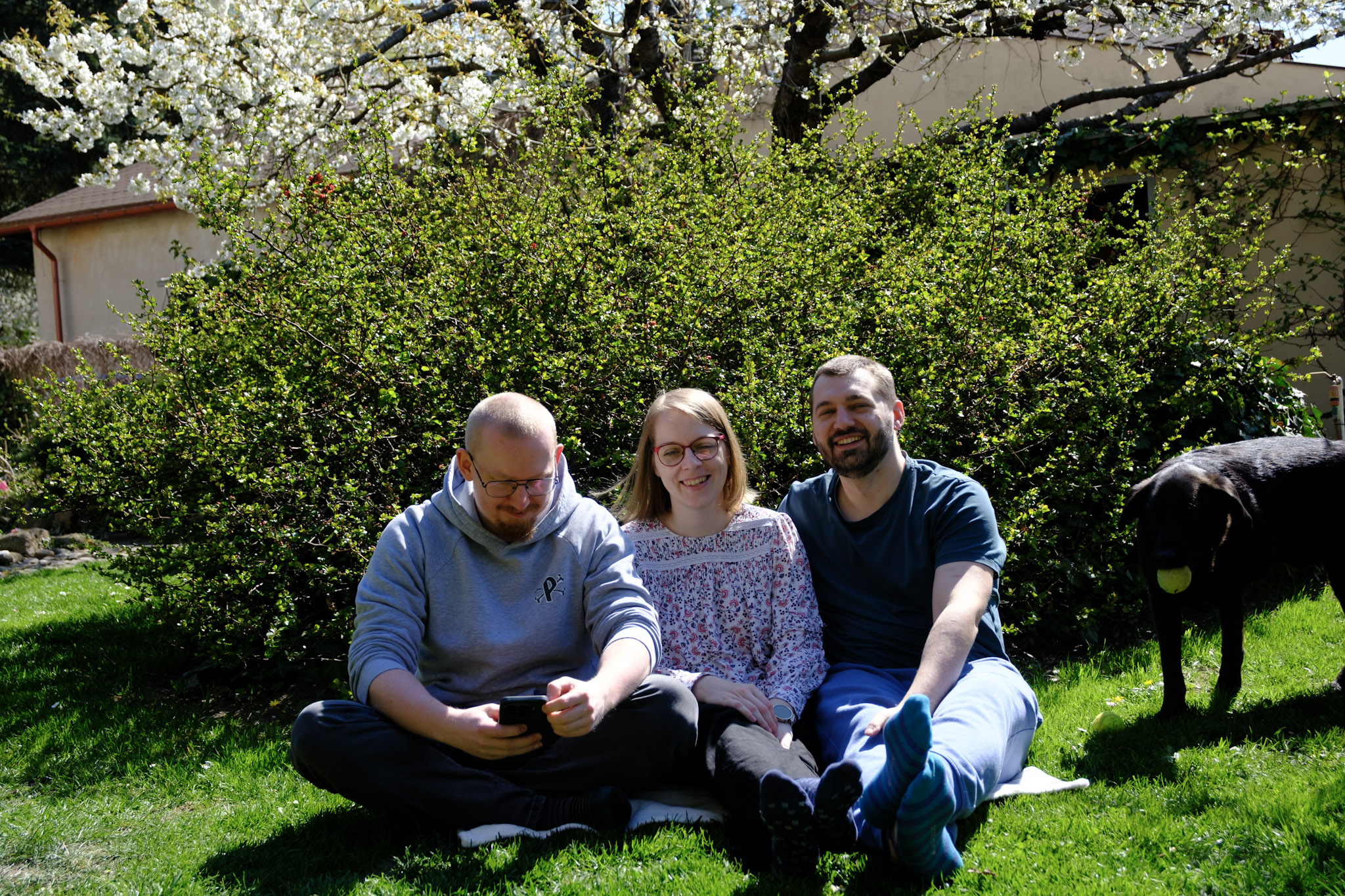
When Natalia moved in with Tomasz — and Tomasz's brother Piotr — the household chaos became shared chaos. Who's doing the dishes? What did we spend on groceries this month? Is it the plants' watering week? Who owes who for the grill supplies?
Natalia's answer was, predictably, more planners. A chores rota. A shared expenses sheet. A "who's cooking Friday" grid on the fridge. It worked surprisingly well.
But some things were too dynamic for paper. We started using Notion for the complicated stuff. Then a dedicated app for expenses. Then another one for habits. Then another.
And that's when we noticed the problem — actually, two problems.
Why nothing worked
Infinite flexibility, but building the thing you actually need takes hours. The setup cost is brutal. Mobile is sluggish. You end up maintaining a workspace instead of using one.
Great habit tracker. But now you need a separate app for expenses, another for meal planning, another for plant care. At some point you're managing your apps instead of managing your life.
The team
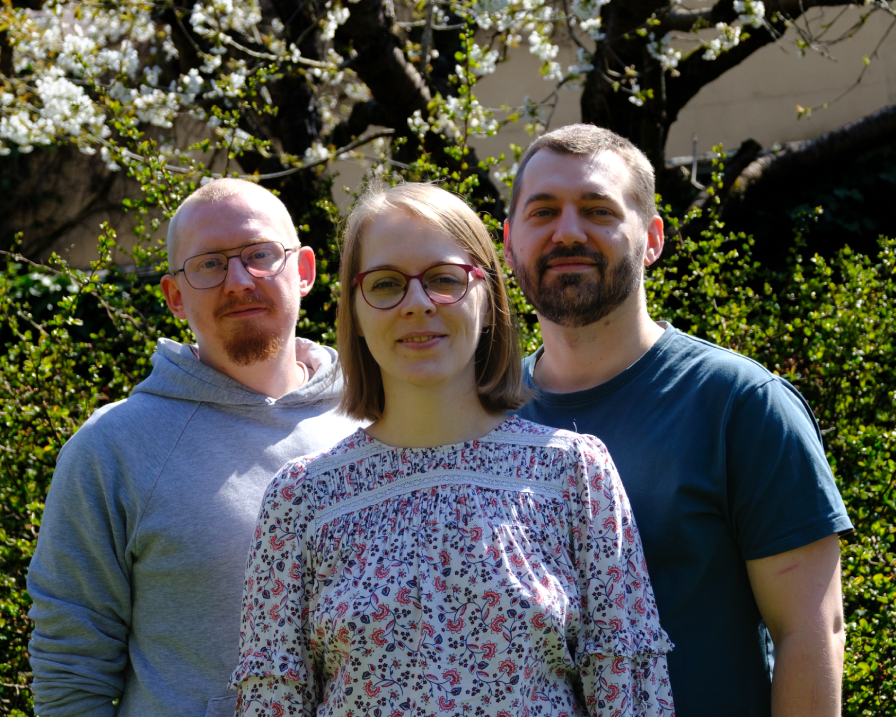
The useful thing about this particular household is that we all work in tech. Tomasz and Piotr have spent nearly twenty years building software at some of the largest companies in the industry — architects, engineering managers, people who've shipped products at scale. Natalia is a QA engineer who makes sure things actually work the way they're supposed to.
So when we looked at those two problems, we didn't just complain about them. We built something.
Why "Nook"
A nook is a cozy corner. The kind of spot you retreat to with a blanket and a warm drink when you want to feel settled and in control.
That image kept coming back when we talked about what this app should feel like. We grew up on YouTube's Lofi Girl — that sense of quiet focus, of being warm and organised while the world does its thing. We always imagined ourselves using this app curled up in an armchair, cup of tea in hand, getting everything sorted in one calm place.
We wanted Nook to feel like that. Not like software you have to wrestle with. Not a productivity system you have to maintain. Just a place you actually want to open.
The name stuck.
The best of both worlds
Almost every view in Nook can be exported to a clean PDF and printed. Hang it on the fridge. Stick it in a notebook. The physical option is always there.
Sync across devices, always up to date, accessible from any browser. No install, no setup, no learning curve. Just open it and go.
No spreadsheets. No building your own Notion setup. No five separate apps.
What we're building
We use Nook ourselves every week, which means the roadmap is basically a list of things we personally need. A lot of it is already there — and a lot more is on the way.
If something you need is missing — tell us. There's a good chance it's already on a sticky note somewhere in the apartment.
Made with care in Łódź, Poland.
Nook is now used by thousands of people across the world — and we're still the same small team building things we personally need.
Access costs $25 a year. That's it. It's a fair price — honestly, it's the price we'd want to pay ourselves. No hidden tiers, no features locked behind a premium plan, no subscription that quietly becomes uncomfortable to cancel.